
Tata Nexon EV Review (2026): India’s Best-Selling Electric SUV Gets Even Better
Published on AutoCinema
Where Every Drive Has a Story.
The Tata Nexon EV has played a major role in making electric vehicles popular in India. With its modern design, practical driving range, premium features, and competitive pricing, it continues to be one of the country’s best-selling electric SUVs. Whether you’re a daily commuter or someone looking to switch to greener mobility, the Nexon EV offers an impressive blend of performance, comfort, and value.
In this review, we take an in-depth look at the Tata Nexon EV’s design, interior, performance, range, features, safety, and overall ownership experience.
Stylish and Modern Design
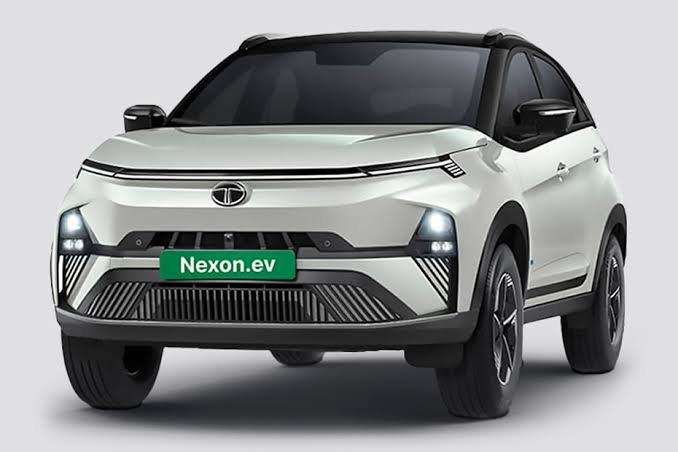
The Tata Nexon EV features a bold and futuristic design that sets it apart from its petrol and diesel counterparts. The closed front grille, sleek LED lighting, aerodynamic alloy wheels, and connected LED tail lamps give it a premium appearance.
Its muscular stance and high ground clearance also make it well-suited for Indian roads.
Exterior Highlights
- LED projector headlamps with DRLs
- Connected LED tail lamps
- Stylish alloy wheels
- Front charging port
- Sequential LED indicators
- High ground clearance
Premium and Comfortable Interior
Step inside the Nexon EV, and you’ll find a modern cabin with high-quality materials and an intuitive layout. The SUV comfortably seats five passengers and offers ample legroom and headroom.
The dashboard is dominated by a large touchscreen infotainment system and a fully digital instrument cluster, creating a premium feel.
Interior Features
- 12.3-inch touchscreen infotainment system
- 10.25-inch digital instrument cluster
- Wireless Android Auto & Apple CarPlay
- Wireless phone charging
- Automatic climate control
- Ventilated front seats (selected variants)
- Premium upholstery
- Rear AC vents
The cabin is practical for everyday use, with plenty of storage spaces and a decent-sized boot.
Battery, Range & Performance
The Tata Nexon EV is available with different battery configurations depending on the variant. It offers smooth acceleration thanks to the instant torque delivered by its electric motor.
Depending on the version, the claimed MIDC driving range can exceed 400 km. Real-world range will vary based on traffic, driving style, weather, terrain, and use of air conditioning.
Acceleration is quick, making overtaking in city traffic effortless, while highway performance remains confident.
Charging Options
Charging the Nexon EV is convenient with support for multiple charging methods.
Charging Highlights
- AC home charging
- DC fast charging support
- Regenerative braking
- Multiple drive modes
- Battery management system
Charging time depends on the charger used and the battery variant.
Features and Technology
The Tata Nexon EV comes loaded with technology designed to improve convenience and connectivity.
Key Features
- Large touchscreen infotainment system
- Fully digital instrument cluster
- Wireless Android Auto & Apple CarPlay
- Connected car technology
- Voice-assisted controls
- Wireless charging
- Air purifier (selected variants)
- 360-degree camera
- Cruise control
- Keyless entry with push-button start
The infotainment system is smooth, responsive, and easy to navigate.
Ride Quality and Driving Experience
The Nexon EV delivers a refined driving experience with silent operation and instant acceleration. The suspension is tuned to handle rough roads comfortably while maintaining stability on highways.
Its light steering makes city driving and parking easy, while regenerative braking helps recover energy during deceleration.
Multiple driving modes allow you to balance performance and efficiency according to your needs.
Safety Features
Safety remains one of the Tata Nexon EV’s biggest strengths.
Safety Highlights
- Six airbags (variant dependent)
- Electronic Stability Control (ESC)
- ABS with EBD
- Hill Hold Assist
- 360-degree camera
- Rear parking sensors
- Tyre Pressure Monitoring System (TPMS)
- ISOFIX child-seat anchors
The Nexon platform has earned strong crash-test recognition, reinforcing its reputation as a safety-focused SUV.
Running Costs
Compared to petrol or diesel SUVs, the Tata Nexon EV offers significantly lower running costs.
Ownership Benefits
- Lower cost per kilometre
- Reduced routine maintenance
- Smooth and quiet driving
- Zero tailpipe emissions
- Home charging convenience
The overall savings will depend on electricity tariffs, charging habits, and annual mileage.
Pros and Cons
Pros
- Attractive and modern design
- Smooth electric performance
- Comfortable ride quality
- Feature-rich cabin
- Strong safety credentials
- Low running costs
- Fast charging support
Cons
- Real-world range depends on driving conditions
- Long-distance travel requires charging planning
- Charging infrastructure continues to improve but varies by location
Tata Nexon EV vs Competitors
The Tata Nexon EV competes with several electric SUVs in India, including:
- MG Windsor EV
- Tata Curvv EV
- Mahindra BE 6
- Hyundai Creta Electric
- MG ZS EV
The Nexon EV stands out for its balance of affordability, features, and practicality.
Should You Buy the Tata Nexon EV?
If you’re looking for an electric SUV that’s practical, feature-rich, and economical to own, the Tata Nexon EV is an excellent choice. It is especially well-suited for city commuters, small families, and buyers looking to transition to electric mobility without compromising on comfort or technology.
Final Verdict
The Tata Nexon EV continues to be one of the strongest contenders in India’s electric vehicle market. Its combination of attractive styling, practical driving range, premium features, and low ownership costs makes it a compelling option for modern buyers.
While charging infrastructure and long-distance planning remain considerations for EV ownership, the Nexon EV offers a well-rounded package that suits the needs of most urban and suburban drivers.
If you’re planning to buy an electric SUV in 2026, the Tata Nexon EV deserves a place at the top of your shortlist.
⭐ AutoCinema Rating: 4.8/5
Frequently Asked Questions (FAQs)
Q1. Is the Tata Nexon EV a good family car?
Yes. It offers a spacious cabin, comfortable ride, modern features, and strong safety credentials, making it suitable for families.
Q2. What is the driving range of the Tata Nexon EV?
The claimed range varies by battery variant and test cycle. Higher-capacity versions offer a claimed range of over 400 km, while actual driving range depends on conditions and driving style.
Q3. Does the Tata Nexon EV support fast charging?
Yes. It supports DC fast charging as well as AC home charging.
Q4. Is the Tata Nexon EV worth buying?
Yes. For buyers looking for a practical electric SUV with low running costs, modern technology, and strong safety, the Tata Nexon EV is one of the best options in its segment.
SEO Title
Tata Nexon EV Review (2026): Features, Range, Performance, Safety & Verdict
Meta Description
Read our in-depth Tata Nexon EV review covering design, battery, range, charging, interior, features, safety, performance, pros, cons, and whether it’s worth buying. Only on AutoCinema – Where Every Drive Has a Story.
Tata Nexon EV Review (2026): India’s Best-Selling Electric SUV Gets Even Better